
To ensure optimum performance and long service life please follow the care instructions provided with each garment.
You can find general care instructions in the included information – or download them here. For more detailed guidance, explore recommendations from our material manufacturers on cleaning and maintaining your protective clothing.
GORE®, GORE-TEX®, WINDSTOPPER® and AIRLOCK® are brands of the W.L. Gore & Associates DuPontTM®, Nomex® and Kevlar® and are registered trademarks or trademarks from E.I. du Pont de Nemours and Company or by its partners. PBI® and PBI® Matrix are registered brands from PBI Performance Products, Inc.


Properly cleaning and caring for your garment is essential to ensure that the clothing continues to provide you rely on for an extended lifespan. Always follow the care instructions to get the best performance and durability from your gear.
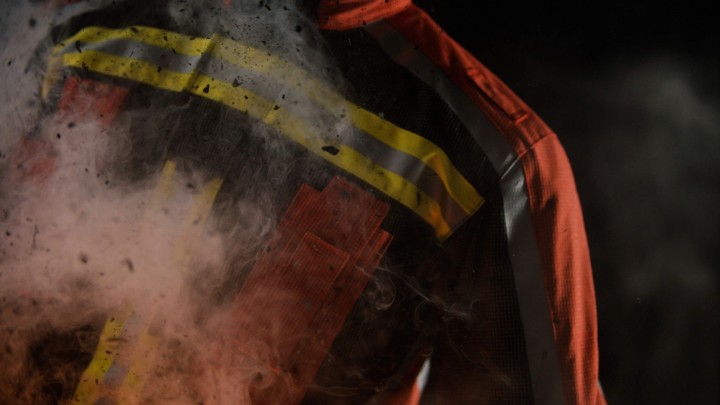
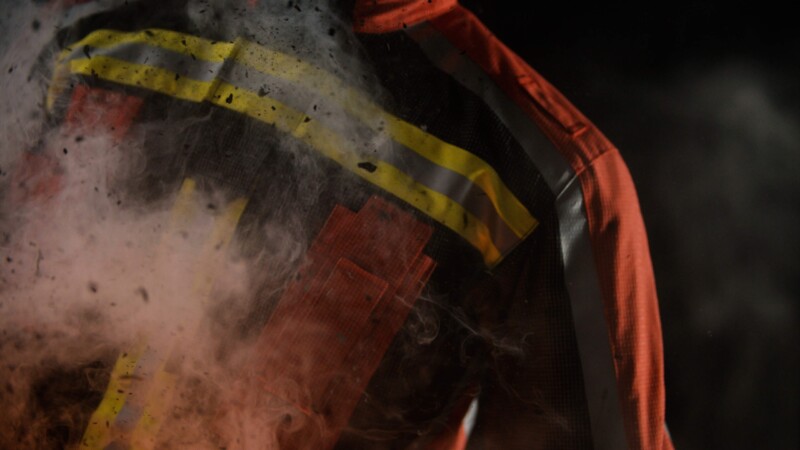
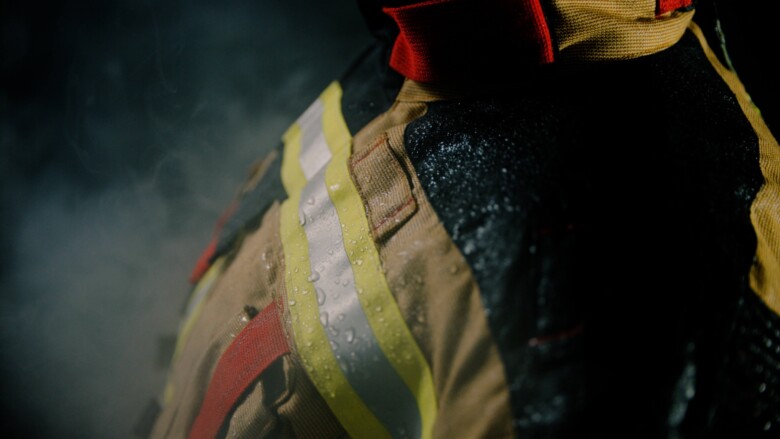
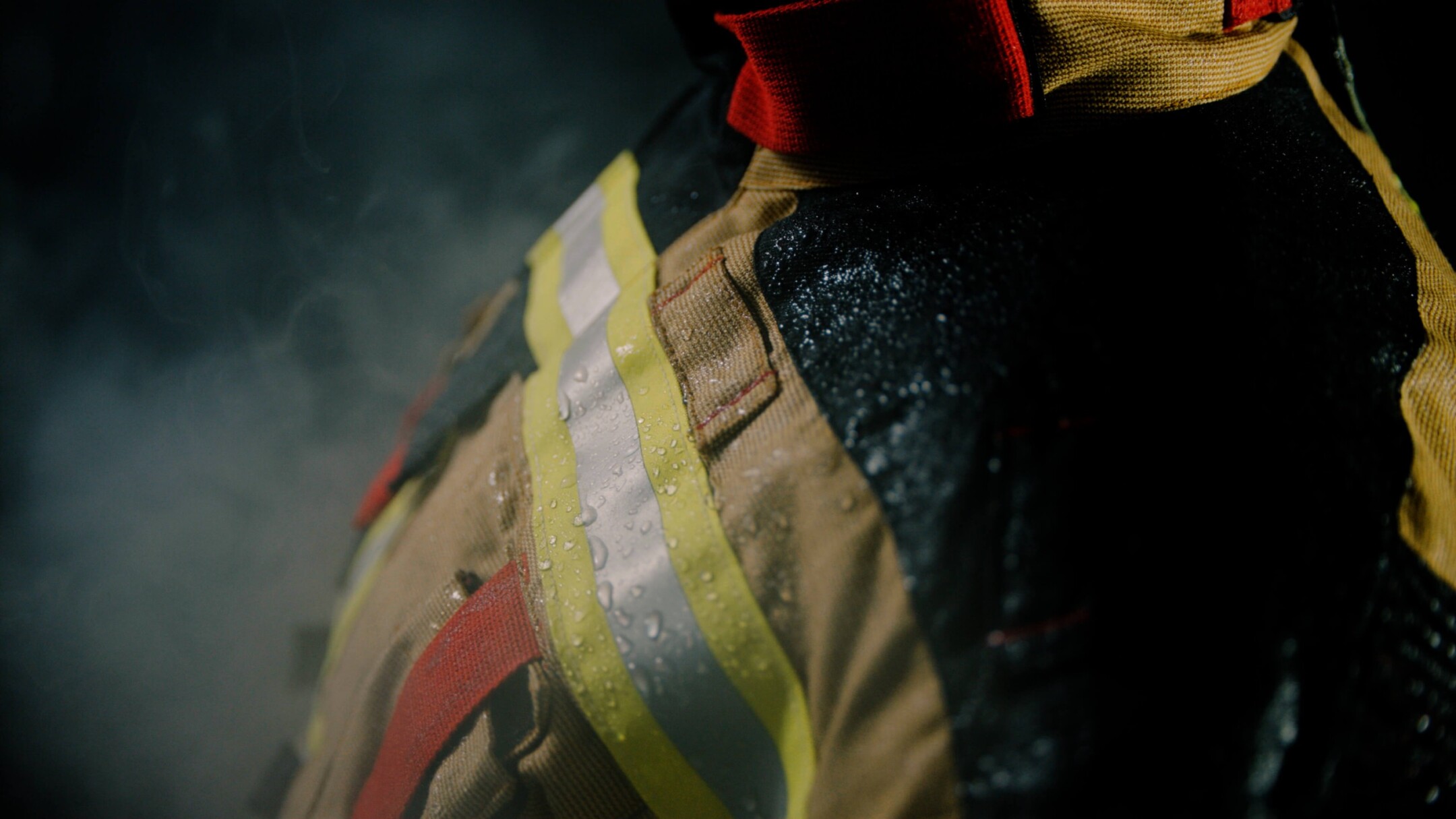
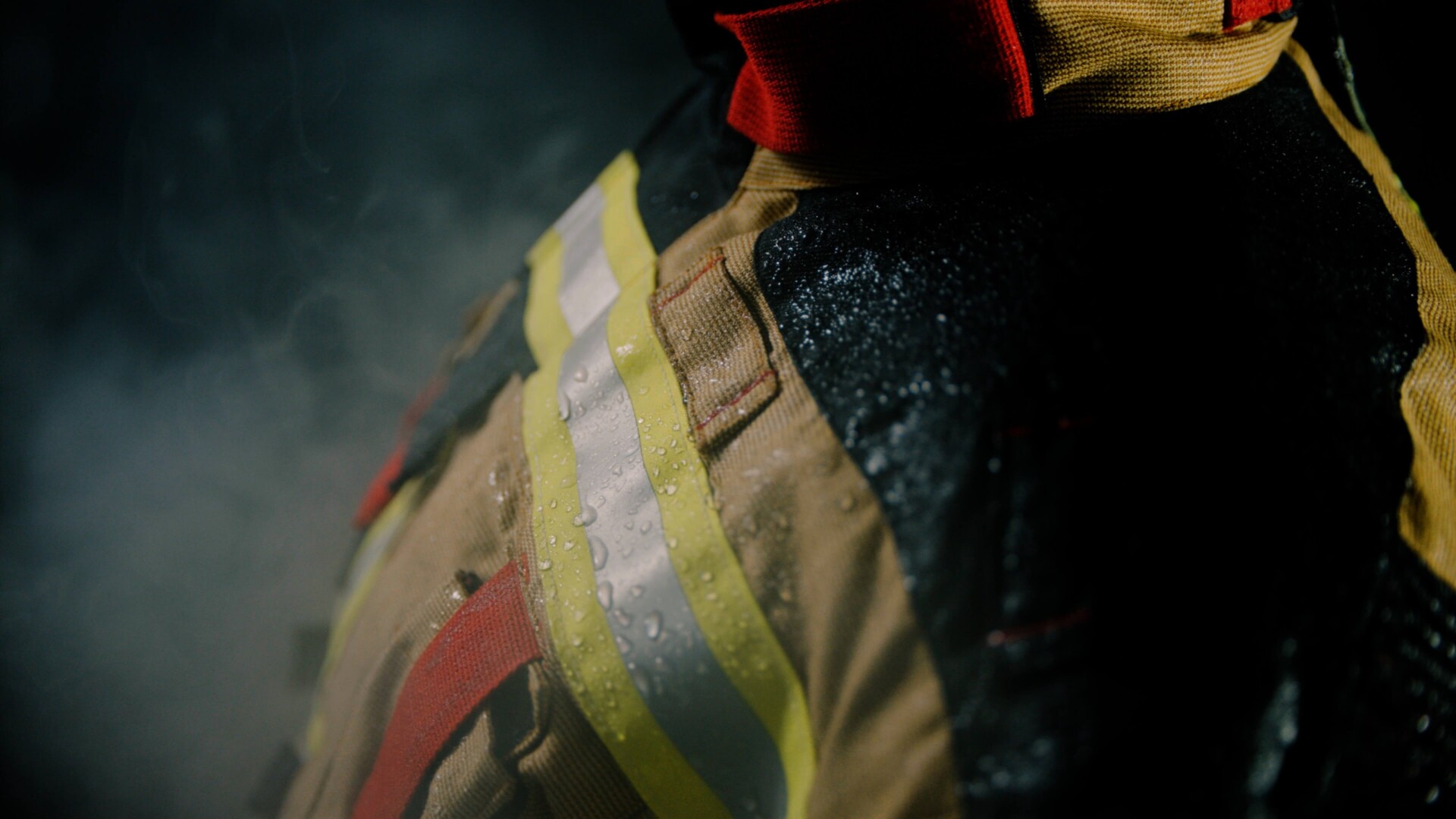
The outer fabric of our protective clothing is usually treated with a water repellence fluorocarbon. This provides important protection against water, oil and chemical splashes. It prevents the outer fabric from becoming waterlogged and heavy.
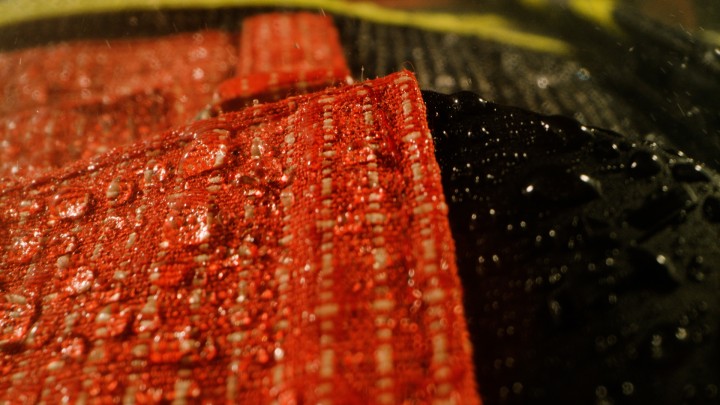
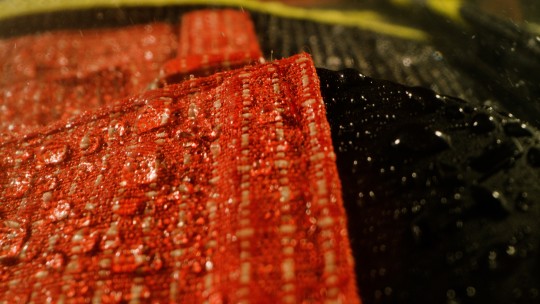
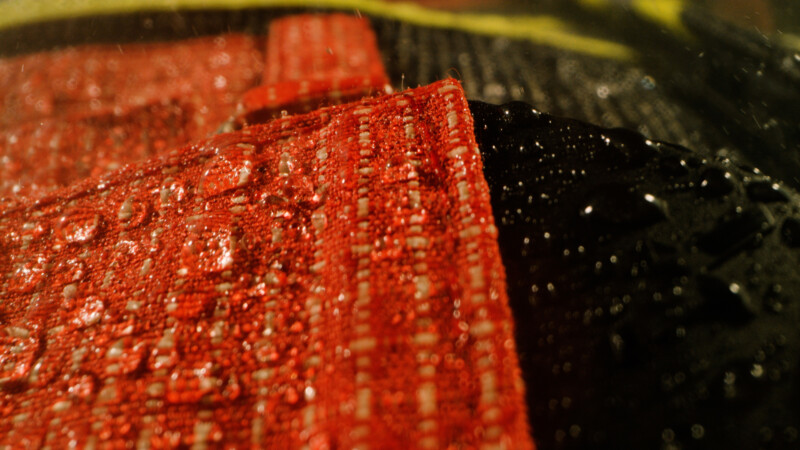
Over time, and after repeated washing, the original water and oil repellent finish of the fabric becomes less effective. Rain and other liquids can enter through the seams and reach the inner lining.
When the inner lining gets wet, comfort drops quickly. The clothing becomes heavier, insulation is reduced, and in firefighting there is a risk of scalding.
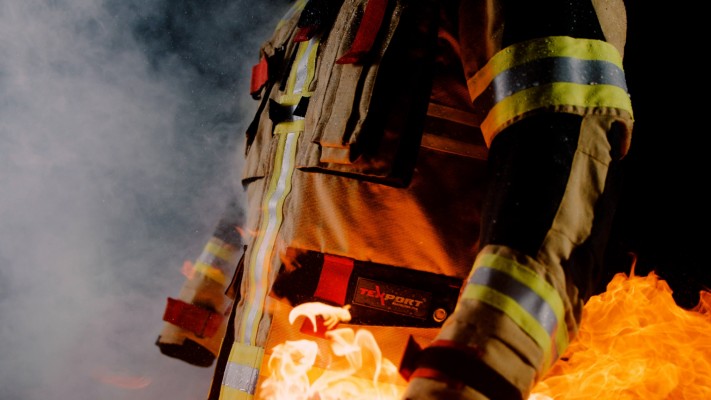
To prevent this, TEXPORT uses specially developed suction seals in key areas such as the front closure, sleeves and seams. These seals permanently block liquids from entering through seam openings. TEXPORT uses this technology in firefighting and workwear garments.
For example, on a front closure the jacket zipper is protected by two overlapping panels that work like a rain gutter. This design prevents water from entering from the sides.
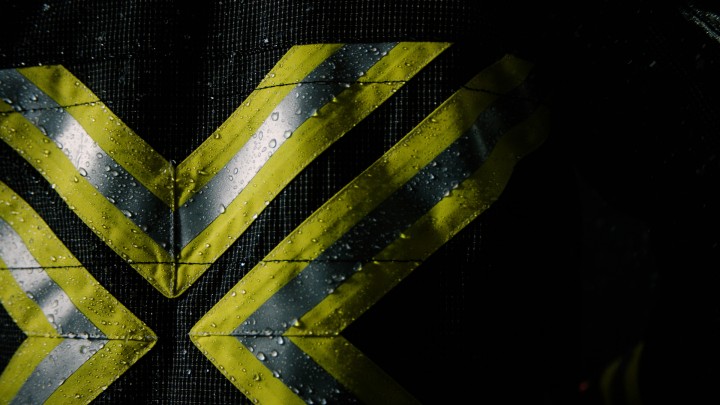
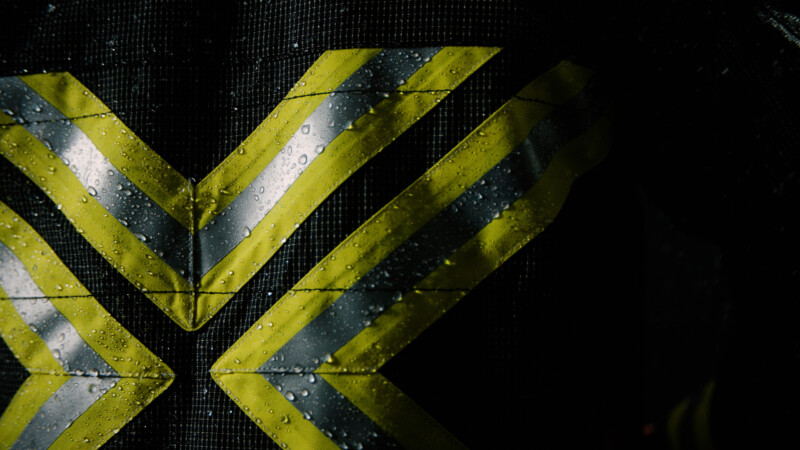
Unlike items such as helmets or safety straps, there is no legal definition of when firefighting gear should be replaced. Its lifespan mainly depends on how often and how intensely it is used.
In general, gear used by volunteer services tends to last longe than that used by professional fire and rescue services, simply because professionals wear the clothing more often.
As a rule of thumb (with no guarantee) firefighting clothing has an average service life of around 10 years. This estimate is based on usage and wear data collected from fire services and related institutions.
We recommend that after 10 years it’s worth considering an upgrade to modern gear that benefits from the latest safety and comfort technologies.
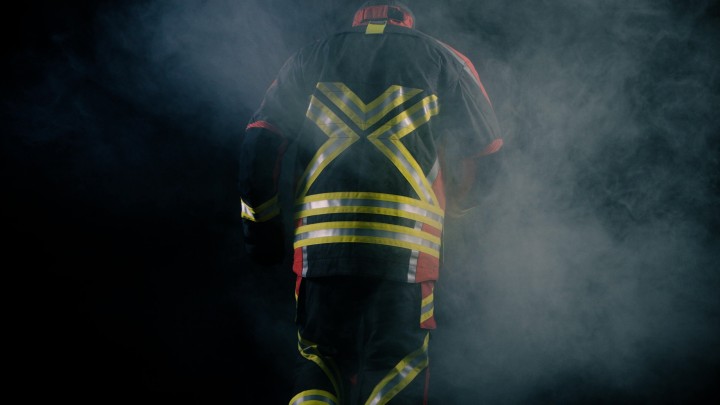
Standards
- EN 13688 Protective clothing -General requirements
- EN 343 Protective clothing – Protection against rain
- EN 469 Protective clothing for the fire department -Performance requirements for protective clothing for fire-fighting
- EN 20471 High-visibility reflective clothing
- EN 659 Fire-fighting safety gloves
- EN 1149-1 Protective clothing – electrostatic properties – Part 1: Testing procedures for the measuring of surface resistance
- EN 1149-3 Protective clothing – electrostatic properties – Part 3: Testing procedures for the measurement of charge decay
- EN 1149-5 Protective clothing – electrostatic properties – Part 5: Performance requirements for materials and constuction requirements
- EN 11612 Protective clothing – Clothing for protection against heat and flames
- EN 13034 Protective clothing against liquid chemicals – performance requirements on chemical protective clothing with limited protective performance against liquid chemicals (Equipment Type 6 and Type PB [6])
- EN 13911 Protective clothing for firefighters -requirements and testing procedures for fire protection hoods for the fire brigade
- EN ISO 14116 Protective clothing- Protection against heat and flames – materials, material combinations and clothing with limited flame propagation
- EN 1498 Personal fall safety gear, rescue loops
- EN 358 Protective gear for workplace positioning and fall prevention
- EN 361 Protective gear against falls-safety harness
- EN 813 Personal fall safety gear -sit harness
- EN ISO 15384 Protective gear for the fire brigade – lab testing procedures and performance requirements for protective clothing for firefighting in open areas
- EN 16689 Protective clothing for fire brigades -performance requirements for protective clothing for technical rescues
- EN 50286 Electrical insulating protective clothing for work in low-voltage systems
- EN 61482-1/2 Live-line work -Protective clothing against the thermal hazards of an electrical arc – Teil 1-2: Testing procedures – Procedures 2: Identifying the electric arc protection class of a material and clothing using a directed electric test arc (Box-Test) (IEC 61482-1-2:2007)
Safety vest exemption
Many European countries have not yet issued any statements on this subject. In Germany specifically, this subject is uniformly regulated for the whole of the Federal Republic by the DGUV paper (German Social Accident Insurance).
This paper refers to Appendix B, EN 469:2005, which regulates the minimum quantity and positioning of reflective stripes. This DGUV paper specifies that persons are exempted from wearing warning vests in secured accident areas.
Other countries are already taking this subject into consideration, further developments are to be expected.